 Home
Home
 Info
Info


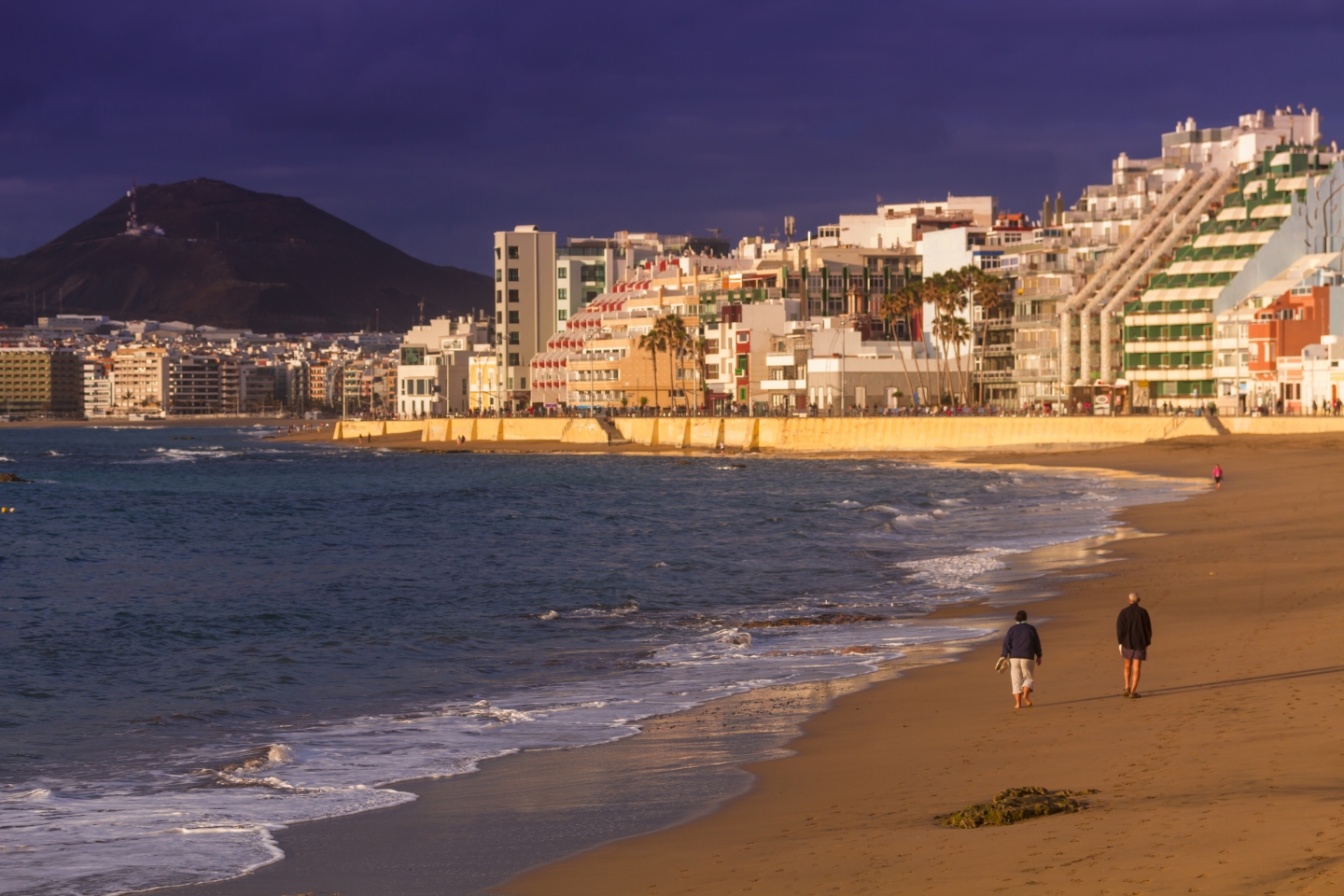
- Las Canteras beach used to be called Playa de Arrecife or Reef Beach after the lava reef that shelters the north end of the beach. The name changed to Las Canteras or Quarry Beach when people started to hack blocks out of the reef to make water filters and provide stone for the cathedral.
- The reef is over two kilometres long and 100,000 years old. It used to reach the shore at the north end of the beach but was quarried away.
- Las Canteras beach used to be a sand spit connecting the La Isleta peninsula to the rest of Gran Canaria. The sea washed over the narrowest part of the spit as recently as the 1920s. Now that the city is in the way the sand level on Las Canteras grows every year.
- The south end of Las Canteras beach has magnetic sand grains. Put a magnet on the sand and you get a ball of black sand. The magnetism is due to the high iron content of the dark grains.
- As well as being magnetic the sand at the south end of Las Canteras beach changes colour every day. Nobody is sure how but you can visit one day and it's golden and come back the next to find the whole beach jet black. We think it's got something to do with the strength of the waves during each high tide.
- The white bridge at the south end of Las Canteras is nicknamed Paquito because people say it looks like a mini version of the Golden Gate Bridge in San Franciso. Paquito is the short form of the Spanish name Franciso.
- The area between Las Canteras beach and the reef is a marine reserve. Fishing is banned and you're not even allowed to pick up seashells on the beach. It's a great place for snorkelling as the fish get bigger and tamer every year. If you surf at the south end of the beach in September, look out for the baby sharks in the waves.
- Agatha Christie stayed in Las Palmas in 1927 and swam at Las Canteras beach. She may even have been the first woman to surf in Europe as she learned the sport in South Africa in 1924.
- Swedish tourists brought the bikini and topless sunbathing to Las Canteras beach in the early 1960s. Until then people swam in full swimsuits that covered the arms and legs. Older Canarians and the Catholic Church took a while to get used to the change.
- The huge wind sculpture at the north end of Las Canteras was one of the last artworks by Lanzarote-born artist Cesar Manrique. He made it in 1991 and died the year afterwards.
Wednesday, 18 February 2015 13:38
Ten Fascinating Facts You Never Knew About Las Canteras Beach
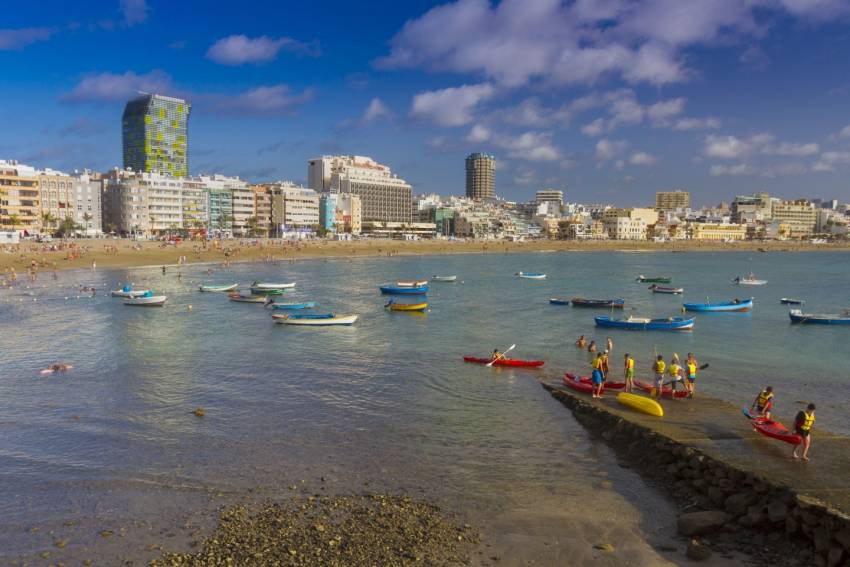 Little known facts about Las Canteras beach
Las Canteras beach has many claims to fame, but most people don't get past the big one: It's the best city beach in the world. But there's more to Las Canteras than sun, sand and palm trees. Here's ten fascinating facts about Las Palmas' jewel in the crown that most people don't know.
Additional Info
- Lat/Long: 28.1374675,-15.4377126
Image Gallery
-
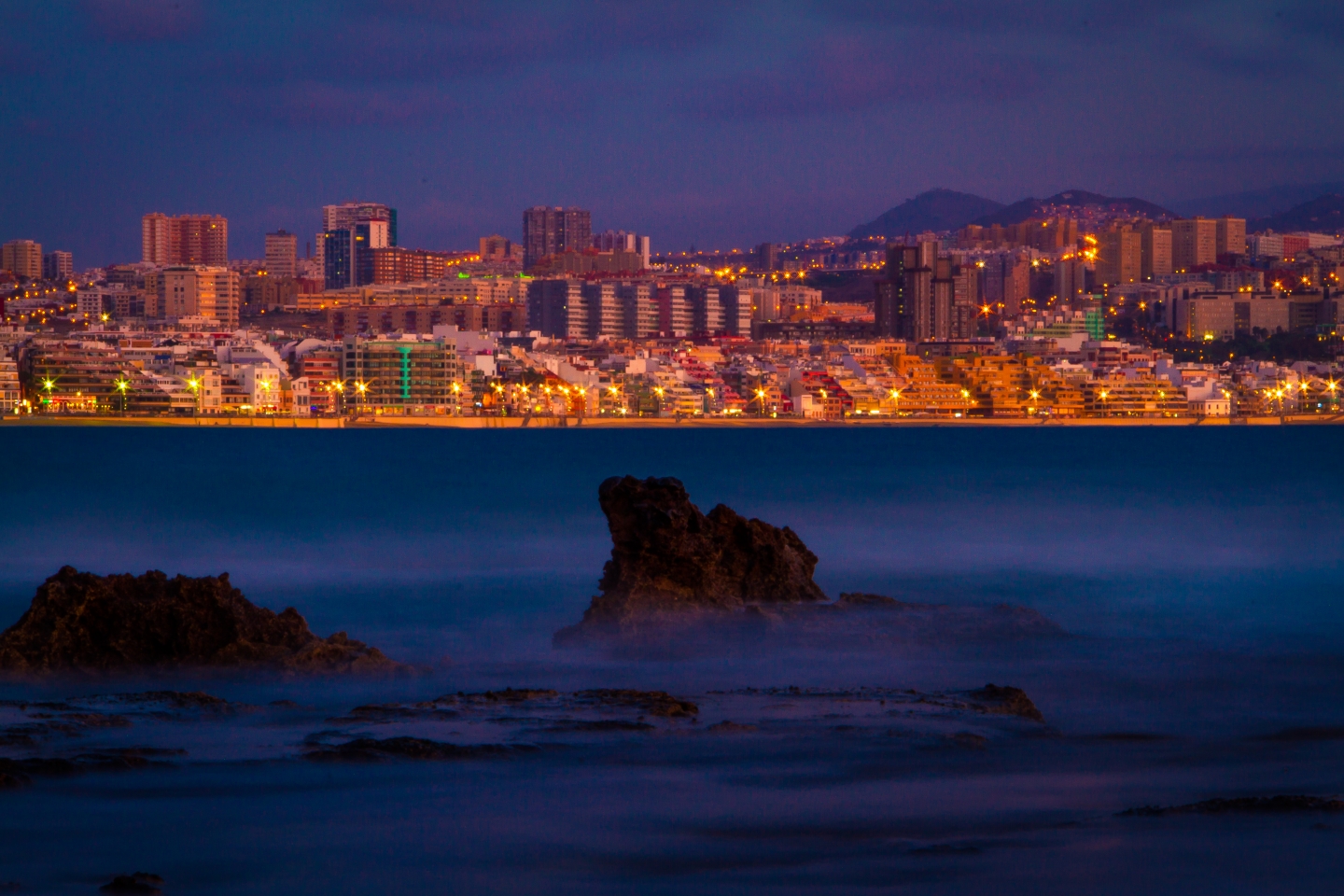
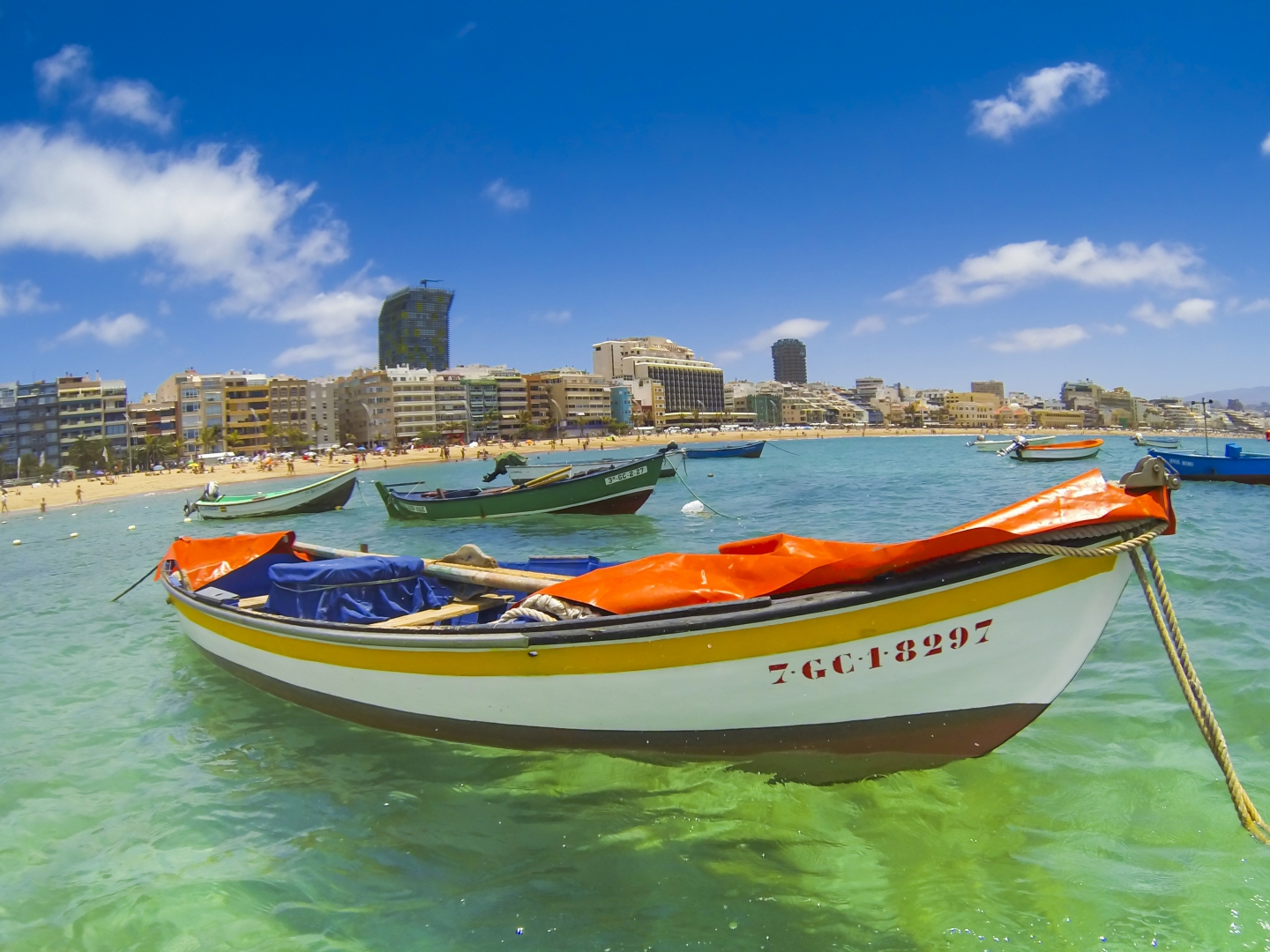
 Las Canteras as seen from the El Confital beach
Las Canteras as seen from the El Confital beach
Las Canteras as seen from the El Confital beach
-
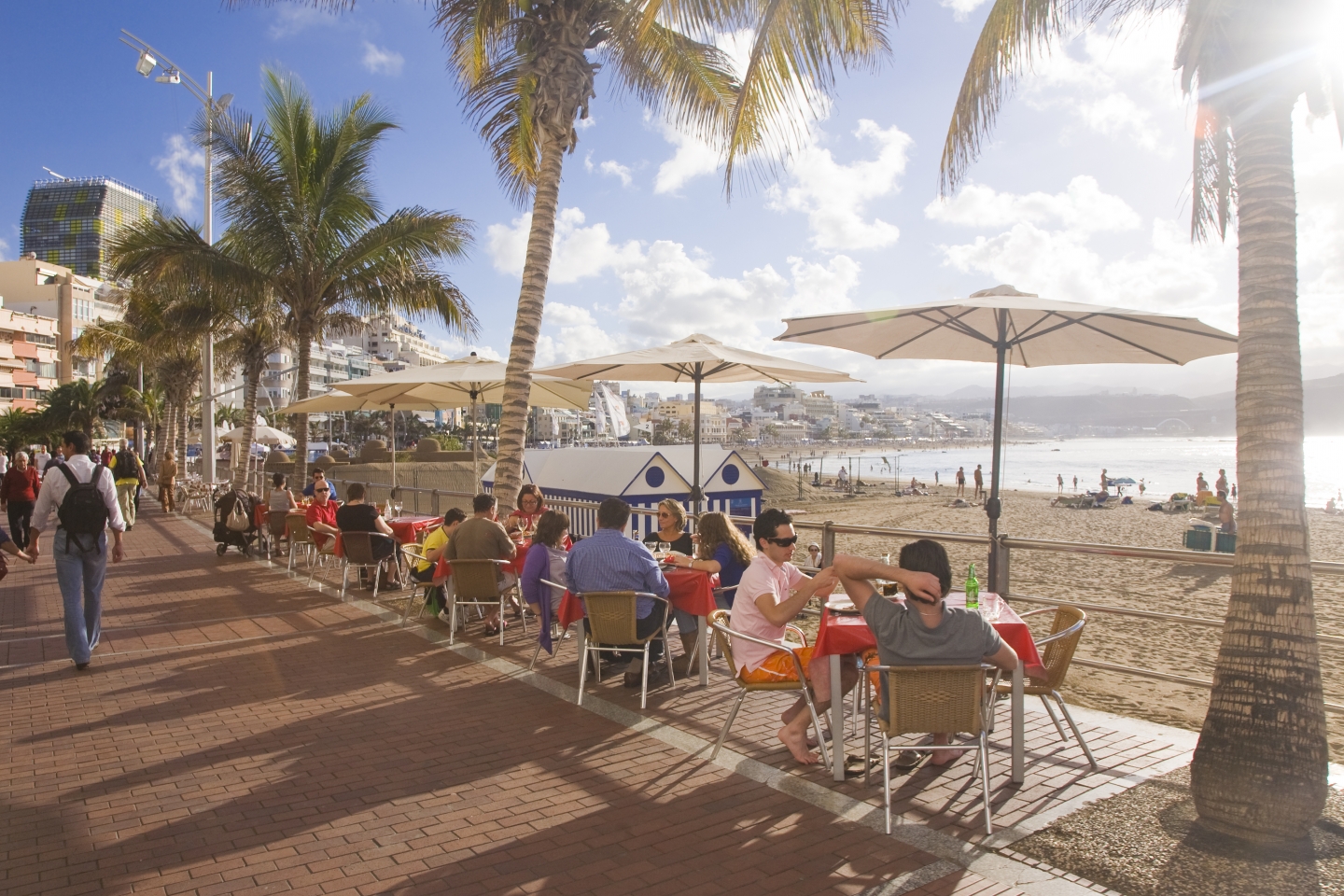
Las Canteras
Las Canteras
-
Las Canteras
Las Canteras
-
Las Canteras
Las Canteras
-
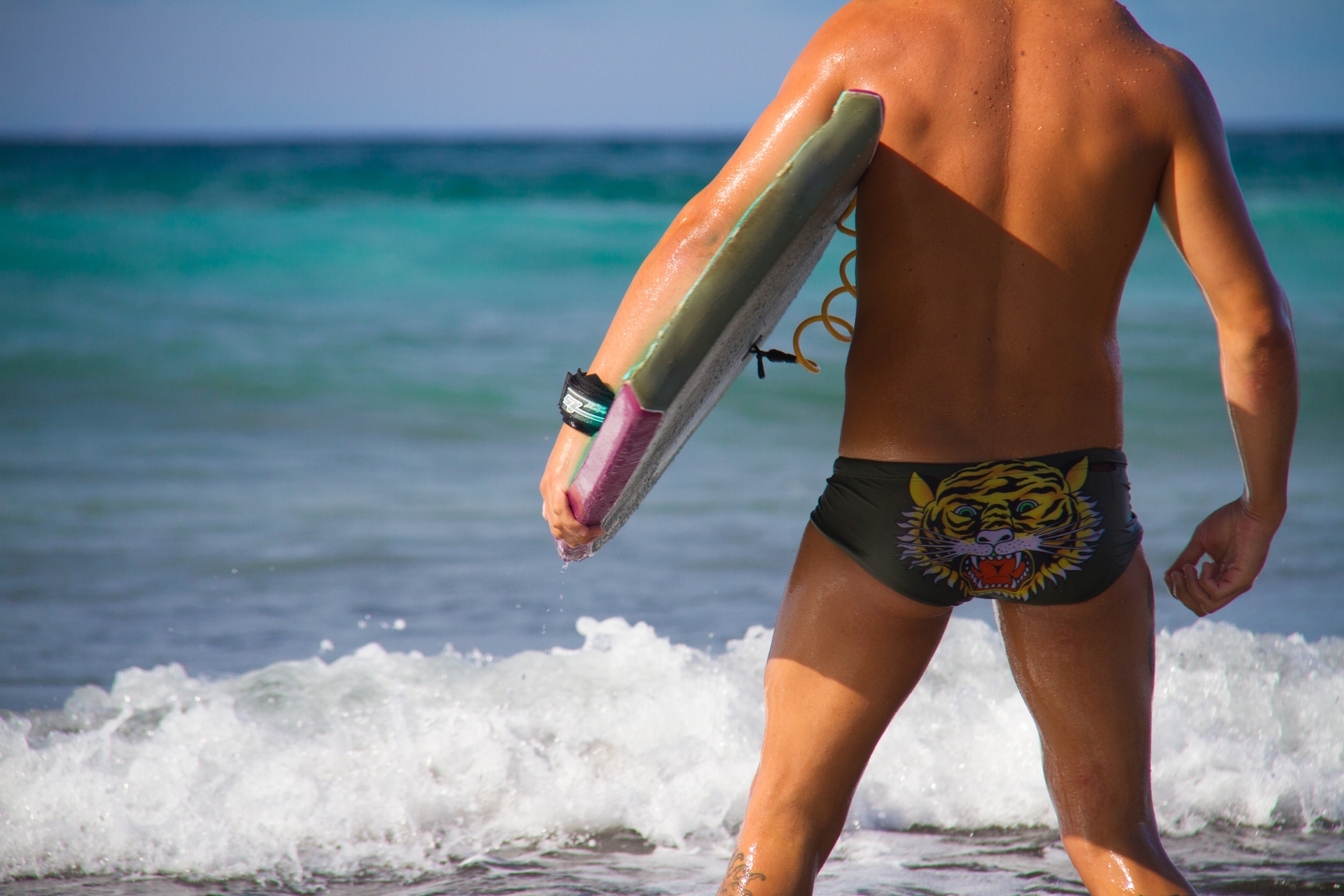
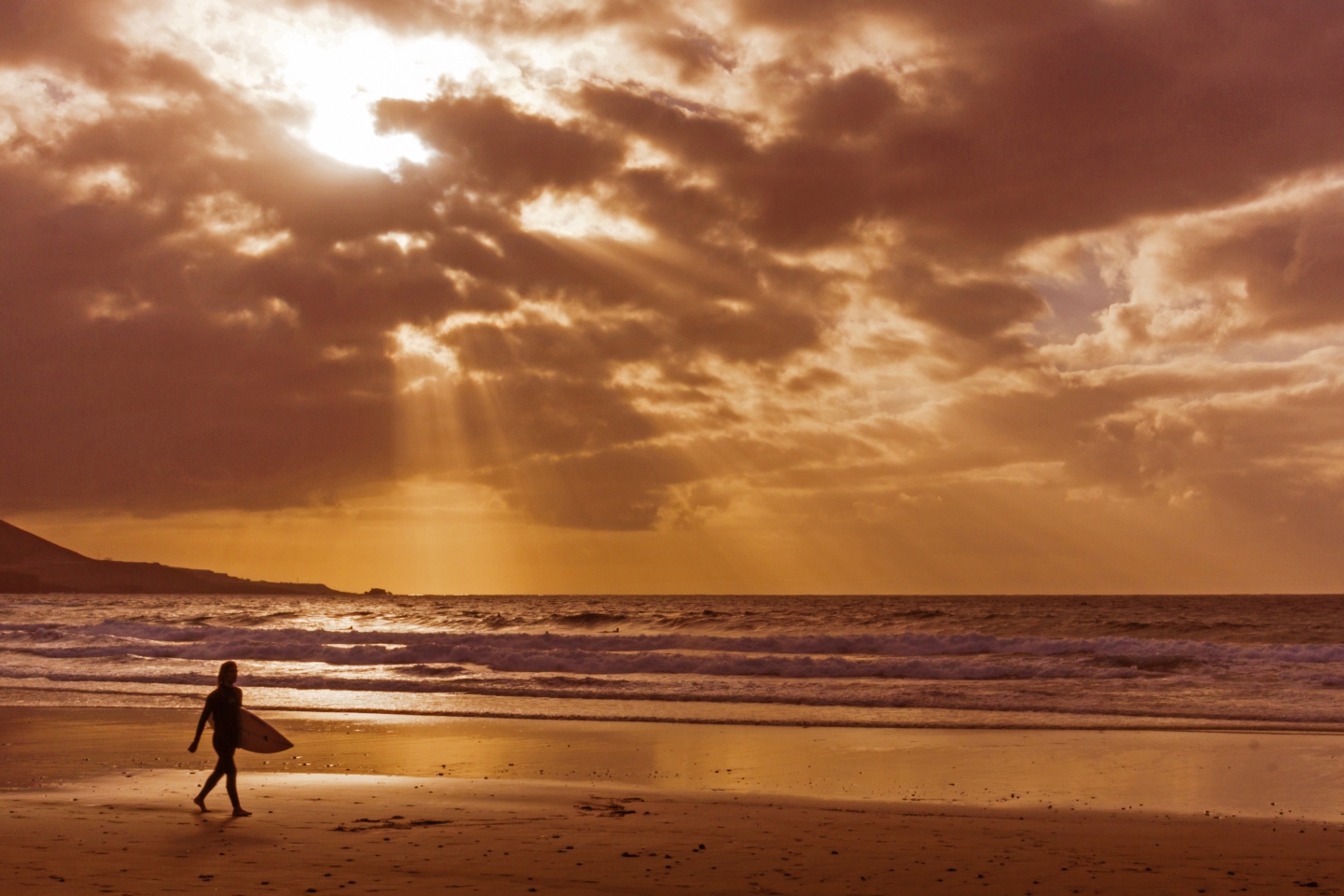
Surfer at Las Canteras
Surfer at Las Canteras
-
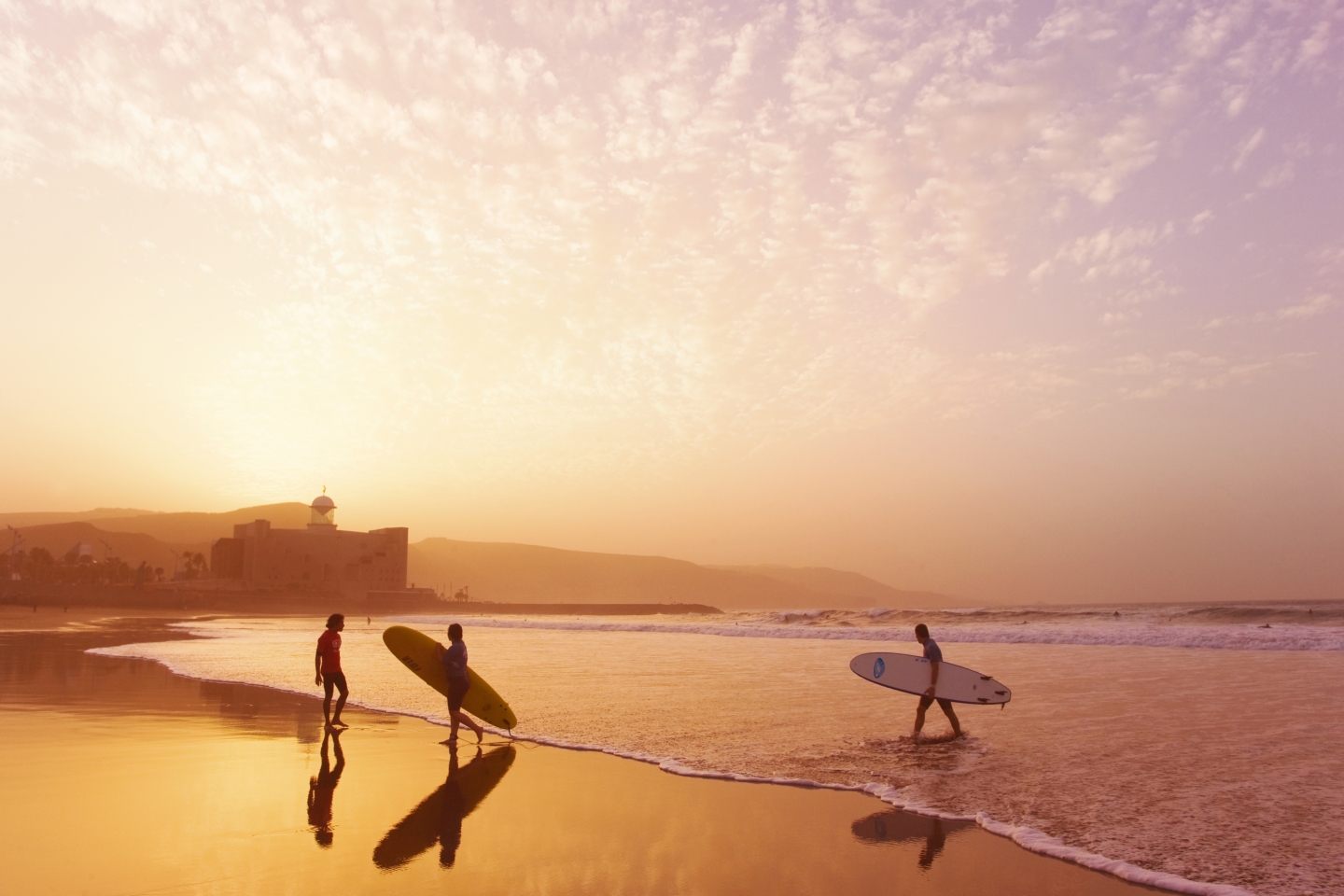
Surfers at the southern end of Las Canteras
Surfers at the southern end of Las Canteras
-
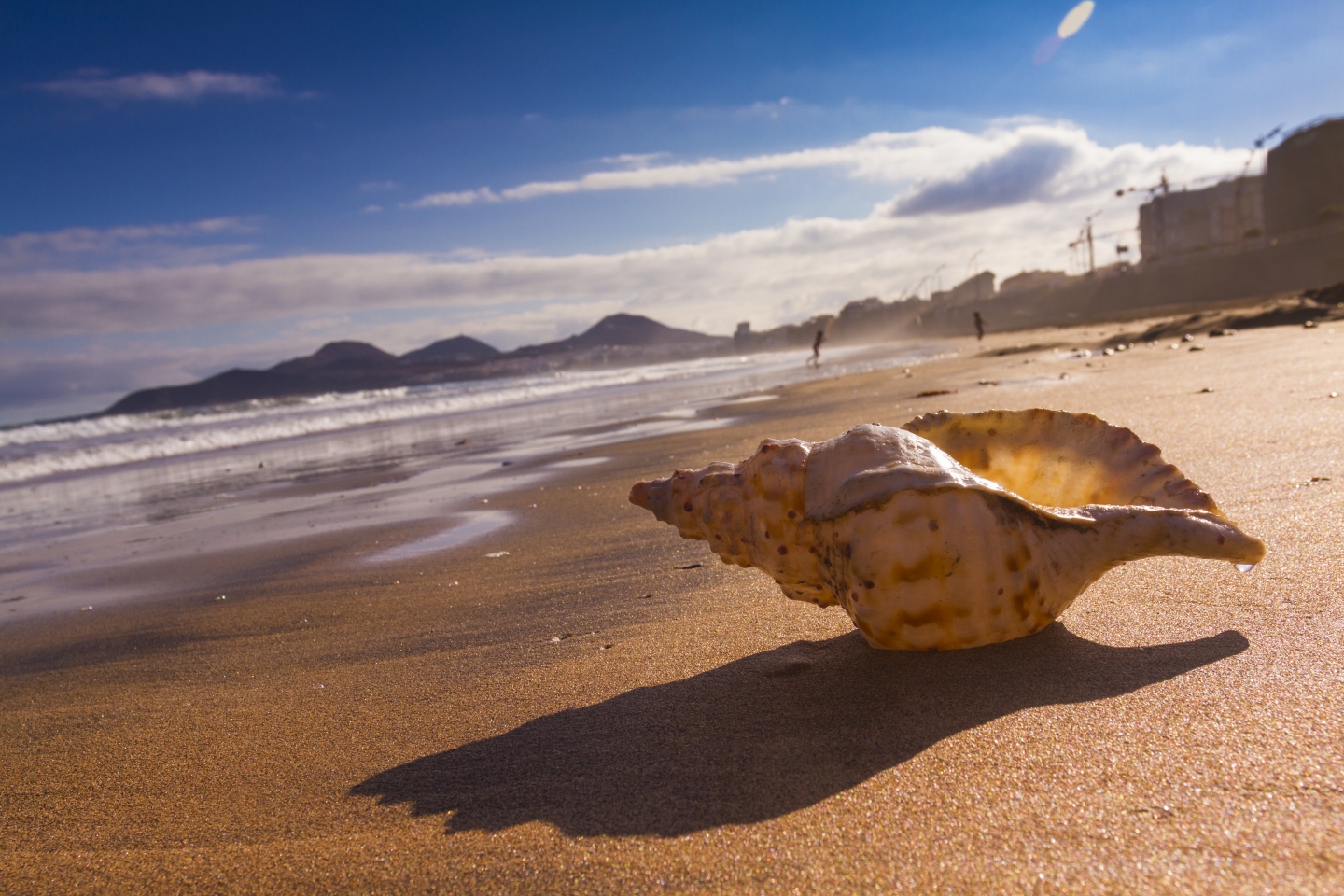
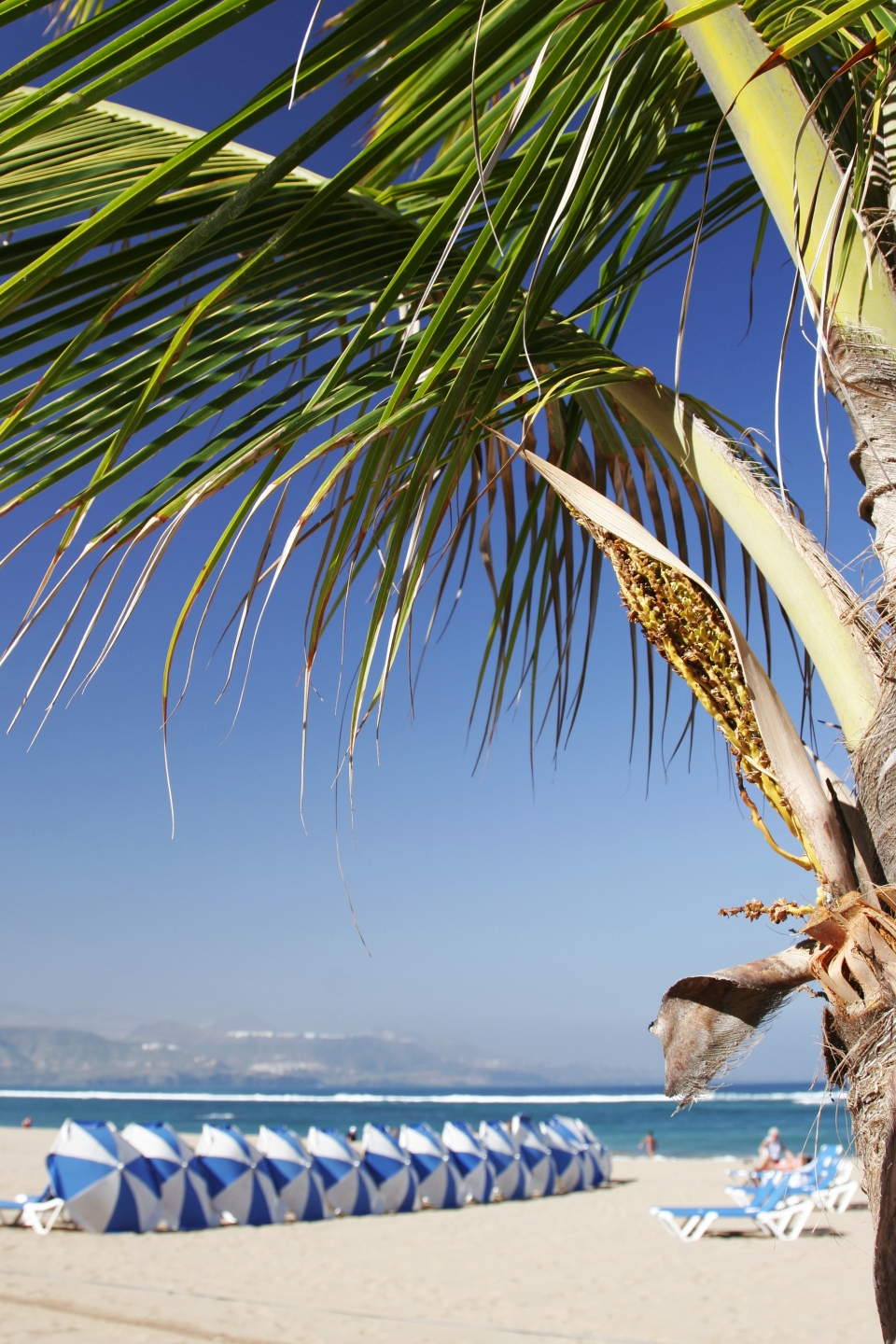
Las Canteras detail
Las Canteras detail
-
Surfer in the evening
Surfer in the evening
-
Las Canteras
Las Canteras
-
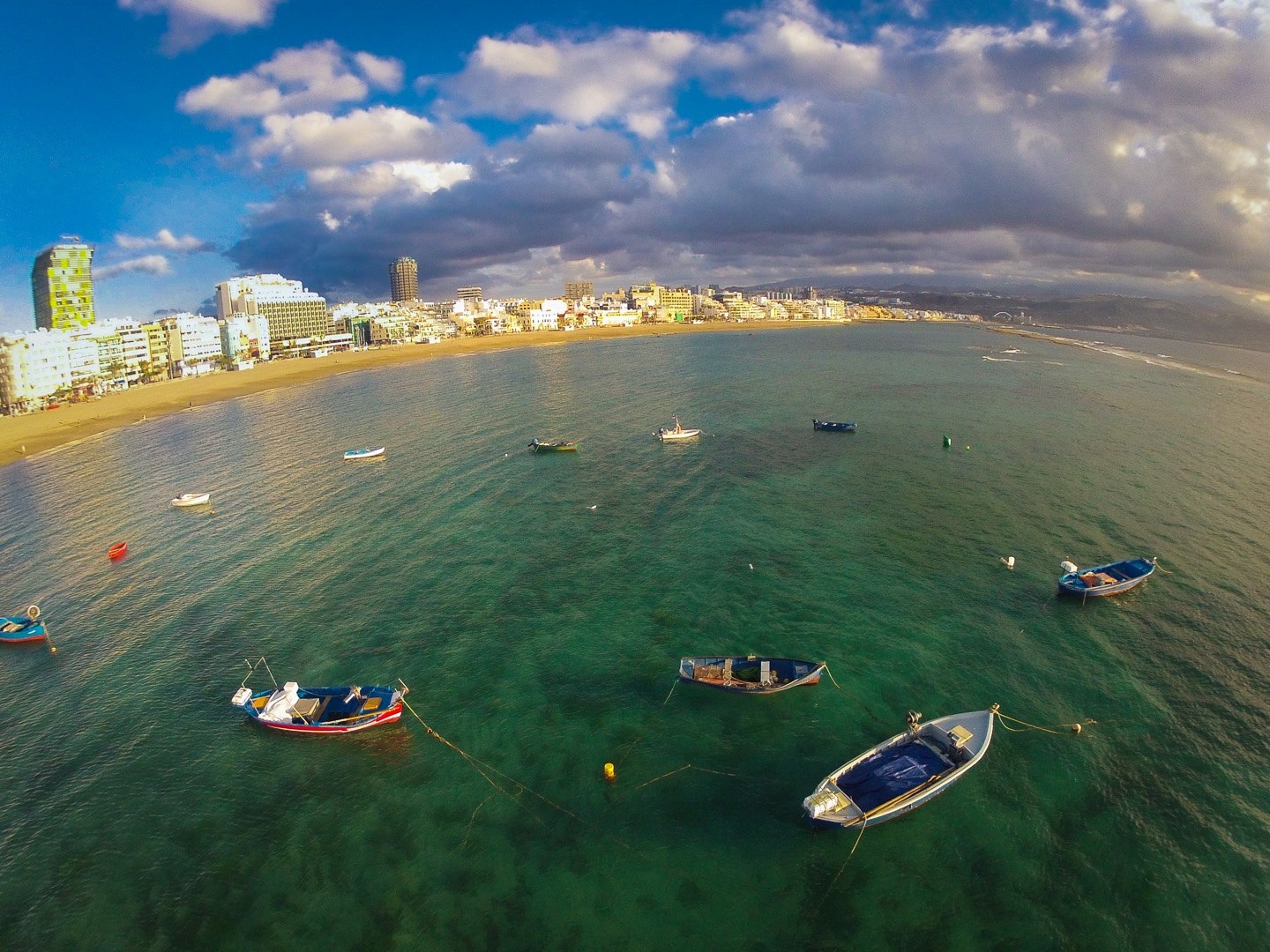
Birds' eye view of Las Canteras
Birds' eye view of Las Canteras
-
Las Canteras
Las Canteras
-
Las Canteras
Las Canteras
-
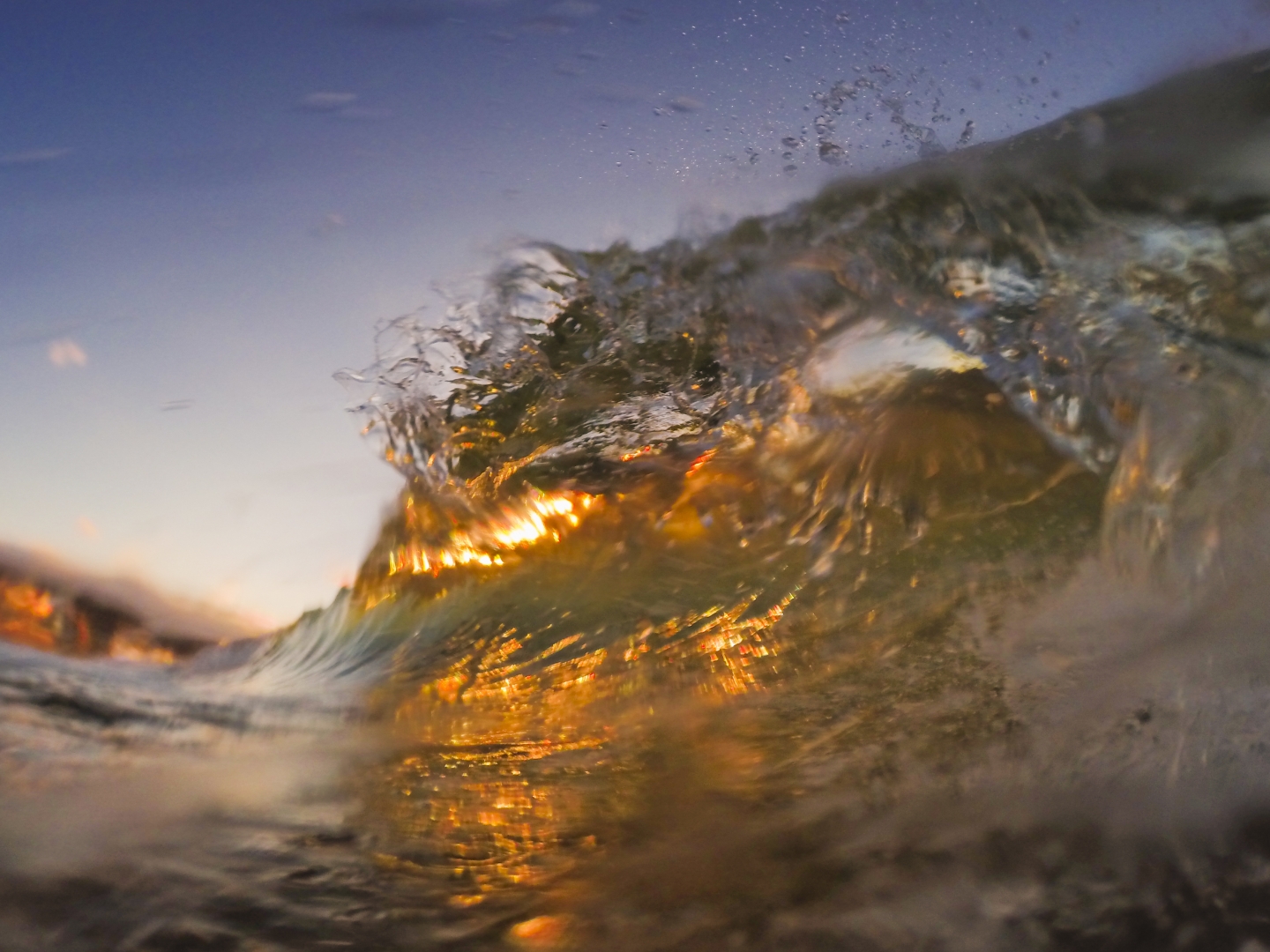
Las Canteras wave
Las Canteras wave
View the embedded image gallery online at:
https://admin.fuckyoutenerife.com/en/content/resorts-places/las-palmas-de-gran-canaria/ten-fascinating-facts-you-never-knew-about-las-canteras-beach#sigProIdd06b8f24c5
https://admin.fuckyoutenerife.com/en/content/resorts-places/las-palmas-de-gran-canaria/ten-fascinating-facts-you-never-knew-about-las-canteras-beach#sigProIdd06b8f24c5
Published in Las Palmas
Published in
Las Palmas
Tagged under
Gran Canaria Info recommends:
- Default
- Title
- Date
- Random


Join the Gran Canaria Info newsletter list
Beaches
We're loading the markers, please wait a few seconds…

Click on a beach, then click on the title for the beach's own page right on this website.
Features
Gran Canaria info recommends
-

Hassle-Free Gran Canaria Car Hire
-

Which Gran Canaria Airport Transfer Service Is The Best?
-

Off The Beaten Track With A Gran Canaria Buggy Trip
-

Gran Canaria Shopping: Start At Fundgrube For Price & Quality
-

The Best Value Car Rental Service In Gran Canaria
-

Casa Romantica: A Classic Gran Canaria Restaurant Reborn
- 1
Follow us on Facebook
Tip of the day
-
Exchange Money In Gran Canaria Or At Home?

Visitors to Gran Canaria often ask whether it is better to exchange their local currency for euros at home or in Gran Canaria.
The answer is that it is almost always better to buy your euros at home than it is to bring pounds to Gran Canaria and use local banks or currency exchanges. This rule of thumb applies all over the world. A currency is almost always cheaper the further away you are from the place you can spend it (because demand for it is lower).
Exchange rates are almost always better at home than in Gran Canaria
You are very likely to get a better exchange rate using a British currency exchange specialist or local bank. Many of these companies will deliver your euros to your home.
One of the best rates in the UK is often from the post office, especially if you do it well in advance.
The only way you'll get a better rate in Gran Canaria than at home is if the exchange rate changes while you are travelling and this is rare.
You also have to bear in mind that currency exchanges in Gran Canaria are getting rarer and some local banks don't exchange money for non-clients.
To Transfer large amouynts of money to Gran Canaria, or to make regular transfers, always use a reputable currency broker such as Currencies Direct. This will save you money on exchange rates and bank charges and is highky secure.
The risk of bringing cash to Gran Canaria
Another important factor to consider is the risk of bringing cash to Gran Canaria: If it is lost or stolen, there is no way of getting it back.
It is much safer to bring a debit or credit card and use local bank ATMs to take out money. These days, a good option is a pre-charged debit card.
Cards may be slightly more expensive that carrying cash, unless you seek out a bank card with low commissions, but it is much more secure.
Bank ATMs like Bankia, Santander and BBVA often charge lower rates than the ATMs in shopping centres and busy tourist areas.
Alex Says: Always select the Euro option at ATMs in Gran Canaria because the exchange rate is much better than if you opt for the Local Currency option. The same applies when you pay by card in shops and restaurants.
See our Gran Canaria Tips section for more nuggets of useful local information.
Latest articles
Who's Online
We have 6309 guests and no members online